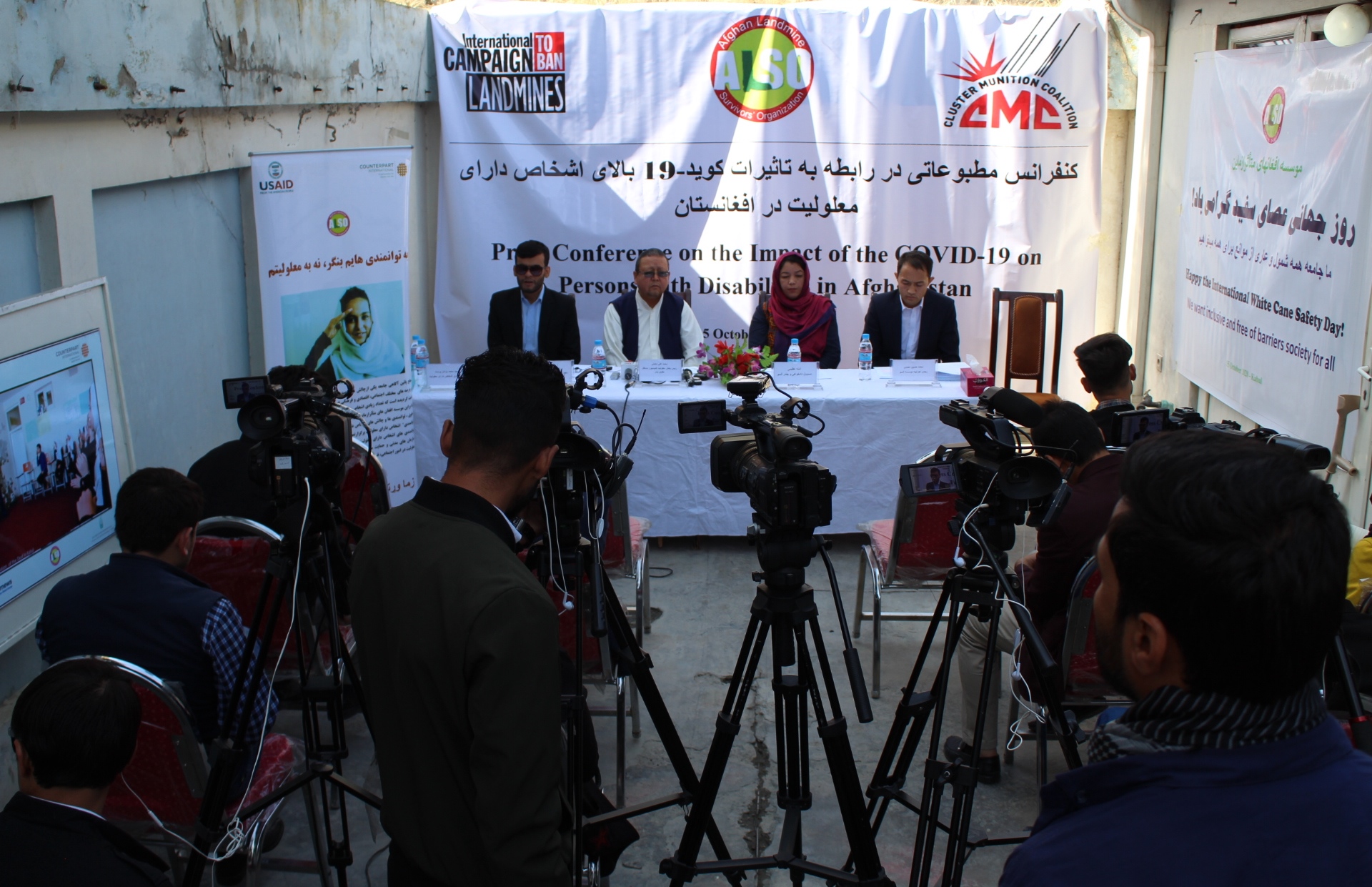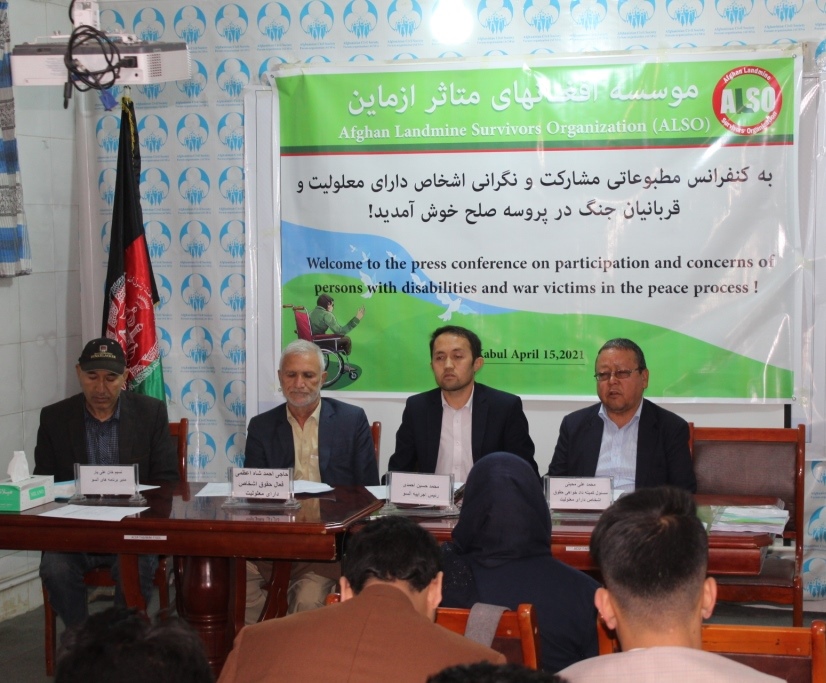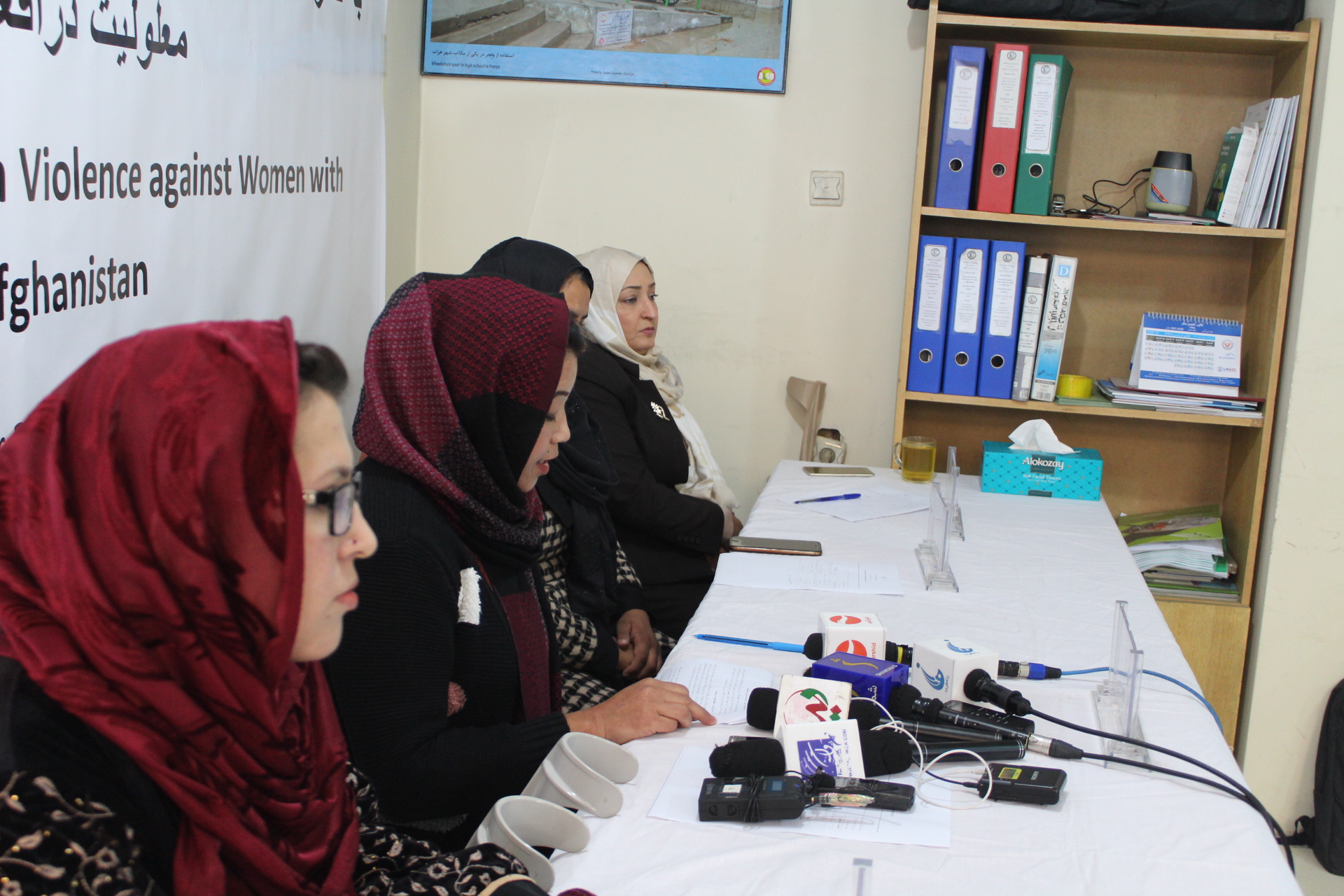
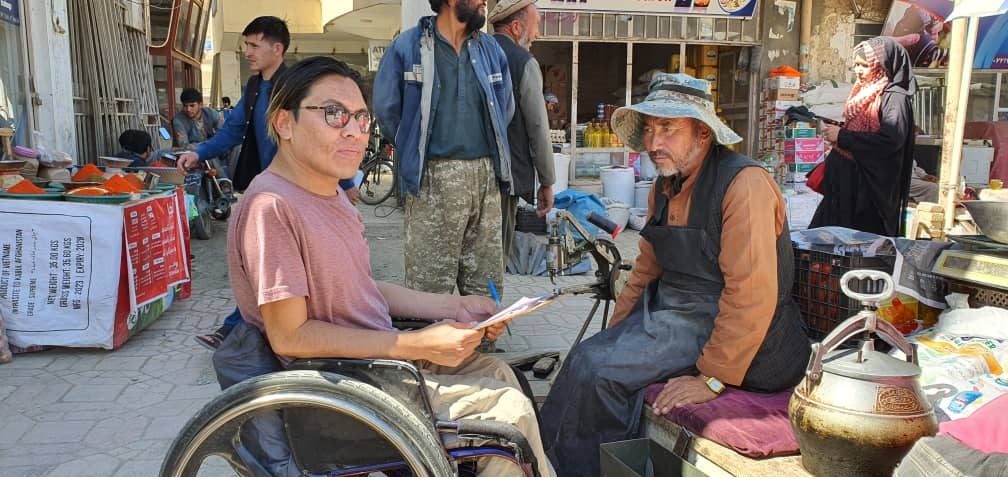
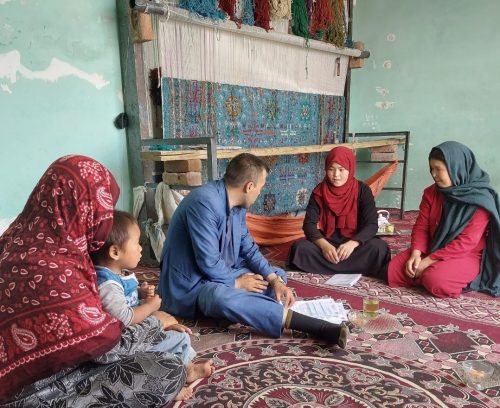
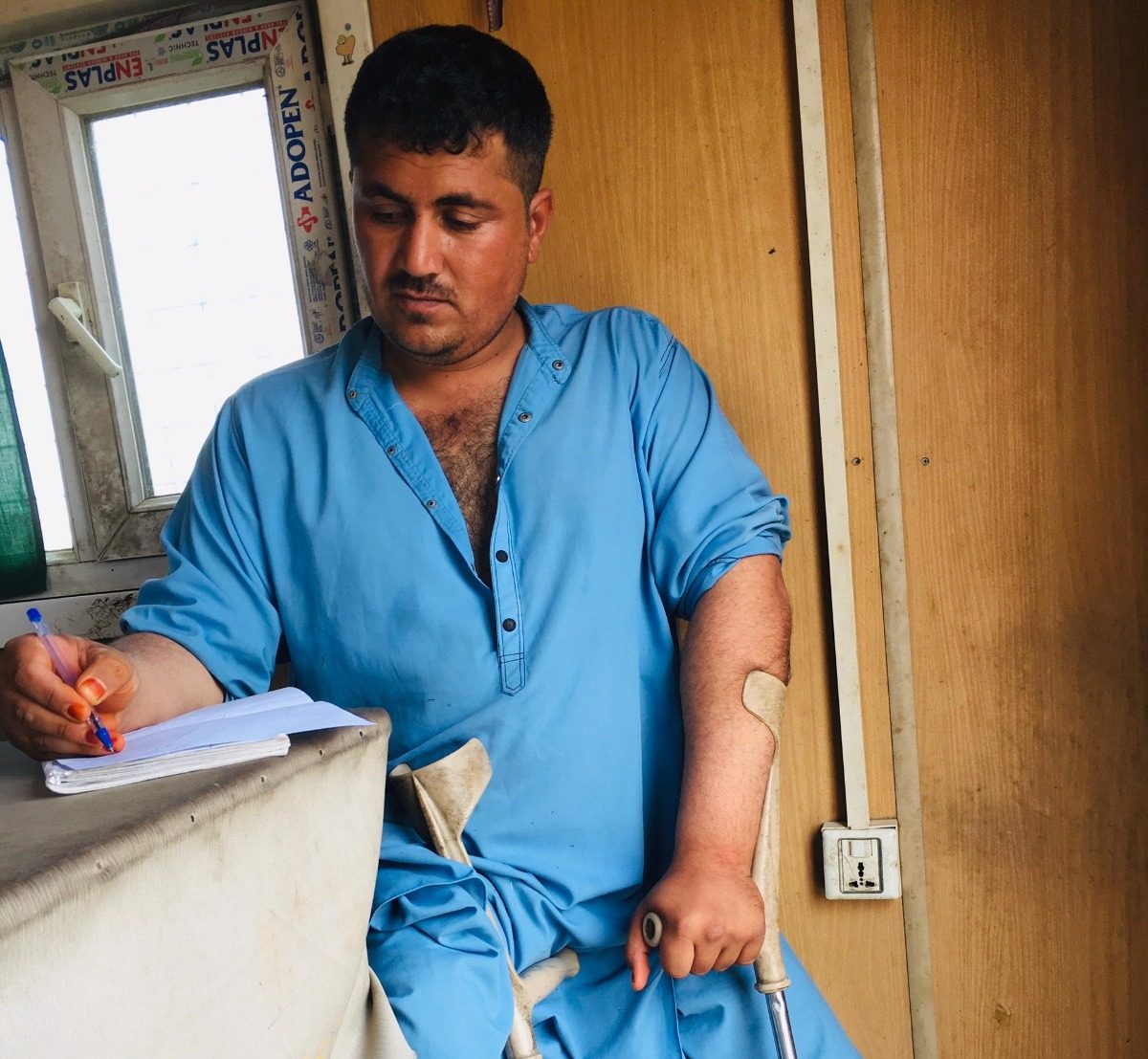
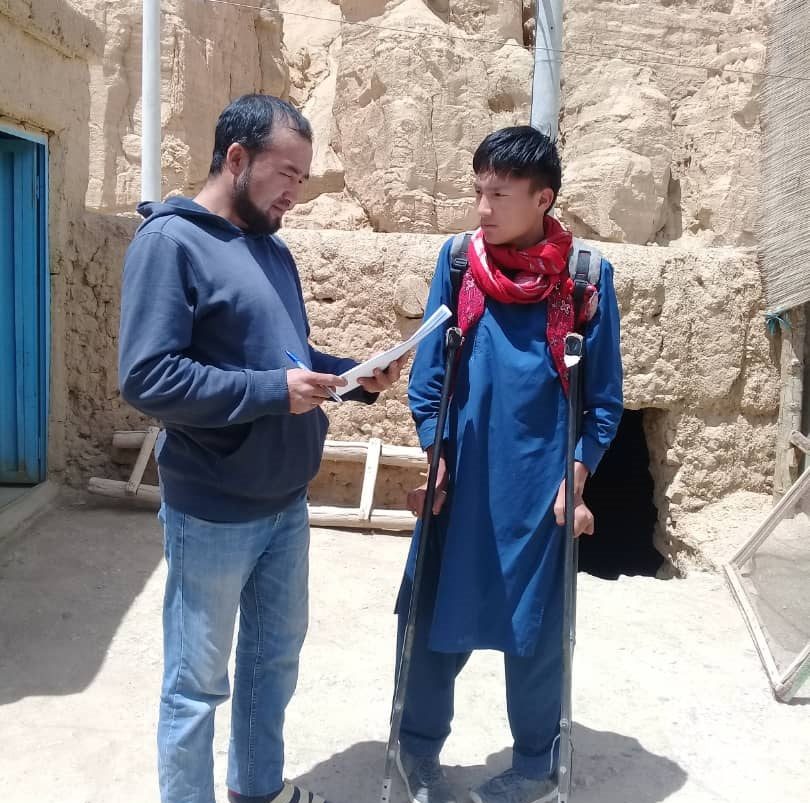
ALSO is pleased to share its latest assessment on the challenges experienced by persons with disabilities and survivors of landmines, cluster munitions, and other explosive ordnance in Afghanistan. Based on interviews conducted between 2021 and 2024, the study captures voices from 120 individuals across five provinces.
Executive Summary
To contribute to a positive development in Afghanistan, this assessment aimed at finding out about the access of persons with disabilities including those that have been disabled due explosions of landmines, cluster munitions and other explosive ordnances[1] to humanitarian aids as well as to explore other challenges they face in post- August 2021 in Afghanistan.
120 persons with disabilities participated and shared their situations, views and suggestions in Kabul, Herat, Balk, Kandahar and Bamiyan provinces. 70% of the participants were men with disabilities and 30% of them were women with disabilities. 85% of them acquired physical impairments, and 8% of them with visual disabilities. Of the 120 persons, 22% of the causes of their impairments were reported due to landmine explosions and 25% due to other conflicts related incidents. 35% of the participants were unemployed and 36% of the 120 respondents reported facing extreme poverty.
Regarding access to humanitarian aid, 80% of the participants did not receive any humanitarian aid. Although due to lack of resources we could not study all factors, but the main reasons participants have mentioned was lack of awareness among the district’s representatives, district councils, elders and NGOs about the needs of persons with disabilities in the community.
As for annual disability pensions provided by the government, only 5% of the respondents reported having received pensions for three or six-months while 95% of them reported that they did not receive their pension, which indicates a high difference comparing to 58% (69 persons) of the respondents who reported having had received pension from the former government annually around, at amount of $670USD. 42% (51 persons) of the participants said that they were not eligible to receive pension from the former government. After August 2021, a new criterion has been set for the pension payment to persons with disabilities by Islamic Emirate of Afghanistan (IEA) among other changes, in principle, it opens provision of pensions to all persons with disabilities, regardless of causes of their impairments, however, it favors members of the IEA who are entitled to receiving the highest pensions comparing to others.
In brief, persons with disabilities face problems in accessing humanitarian aid. The obstacles are due to lack of awareness of the community members and policies and programs of the humanitarian aids organization. Persons with disabilities face economic problems. The majority of the respondents did not receive their pension, and some of them received pensions of three or six months, only. Moreover, Covid-19 has had a negative impact on persons with disabilities’ livelihood and income – business loss and unemployment. This has expanded the disparities between persons with disabilities and persons without disabilities.
Persons with disabilities are facing psychological problems and they need psychosocial support to enable them to have access to healthcare services in the community.
Finally, persons with disabilities and mine victims have less access to education. Recently, the closure of schools, the impact of Covid-19, limited access of persons with disabilities to education, but the banning of school by Islamic Emirate above grade six is the main problem for girls and women with disabilities now.
Recommendations:
- The IEA, UN agencies, and humanitarian aid organizations should integrate the needs of persons with disabilities into their policies and programs, ensuring equity in the distribution of aid.
- The IEA, UN agencies, and NGOs should prioritize the creation of economic opportunities for persons with disabilities and landmine, cluster munitions and other explosive ordnance victims to enhance their livelihoods. A lot of persons with disabilities suffer from extreme poverty.
- The IEA should ensure the timely payment of pensions to all persons with disabilities, including survivors of landmines, cluster munitions, and other explosive ordnance, as these pensions are often their only source of income.
- Given the psychological pressures faced by persons with disabilities, the IEA, UN agencies, and NGOs should provide or facilitate provision of comprehensive psychological services, including peer-to-peer support, for persons with disabilities and survivors of landmines, cluster munitions, and other explosive ordnance.
- The IEA should reopen girls’ schools to allow girls with disabilities to continue their education without barriers.
Read the full report: An assessment of persons with disabilities – ALSO – 2024
[1] Note: To keep it short, the rest of this report refer to “persons with disabilities”, which always include “landmine, cluster munitions and other explosive ordnances survivors”.